

Western Gulf Stewardship Task Force
A collaborative multi-state network of resource managers and research scientists working to create a better future for beach nesting birds on the Gulf Coast.
About the Task Force
The devastating aftermath of the BP oil spill in 2010 – resulting in the loss of hundreds of thousands of birds – ignited collaborative efforts to protect the Gulf Coast’s avian populations. Among these efforts arose a network of scientists and resource managers who formed the Gulf of Mexico Avian Monitoring Network (GoMAMN). This group developed a list of priority species in the region, primary threats, and strategies to support vulnerable bird populations.
GoMAMN found the following to be the greatest threats to coastal birds on the Gulf Coast:
- Human disturbance
- Habitat loss and/or degradation
- Extreme weather events
As a follow-up to GoMAMN, a group of dedicated resource managers and research scientists later formed The Coastal Stewardship Task force. They sought to conduct research that would have the greatest impact on conservation of beach-nesting birds in the region. Using a process known as Structured Decision Making, they collectively chose to focus on managing human disturbance and answer the following:
- Understand how effective stewardship is across a range of techniques, intensities, and socio-ecological conditions to mitigate human disturbance
- Understand if community-wide education and outreach campaigns are effective supplements to on-the-ground stewardship
By working across disciplines and state lines, the task force is working to answer these questions and design Gulf-wide strategies to improve coastal bird conservation. In doing so, they hope to ensure that birds and people can share these shorelines and support resilient bird populations for generations to come.
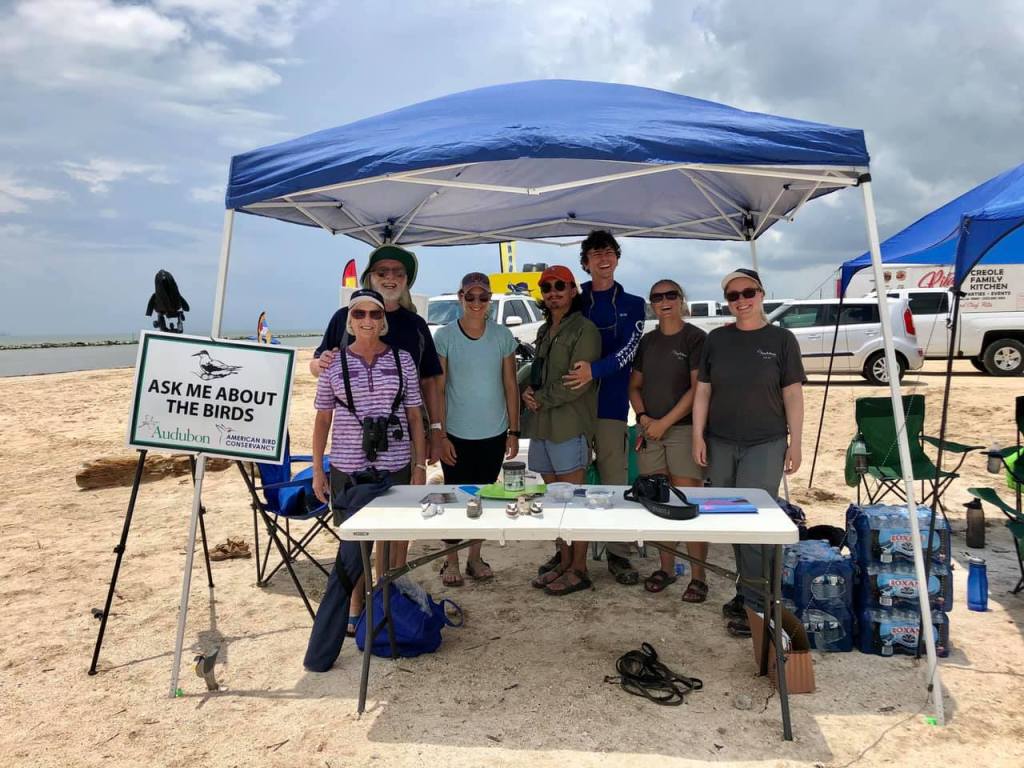
Coastal bird stewardship. Photo: Katie Barnes / Audubon
Priority Species
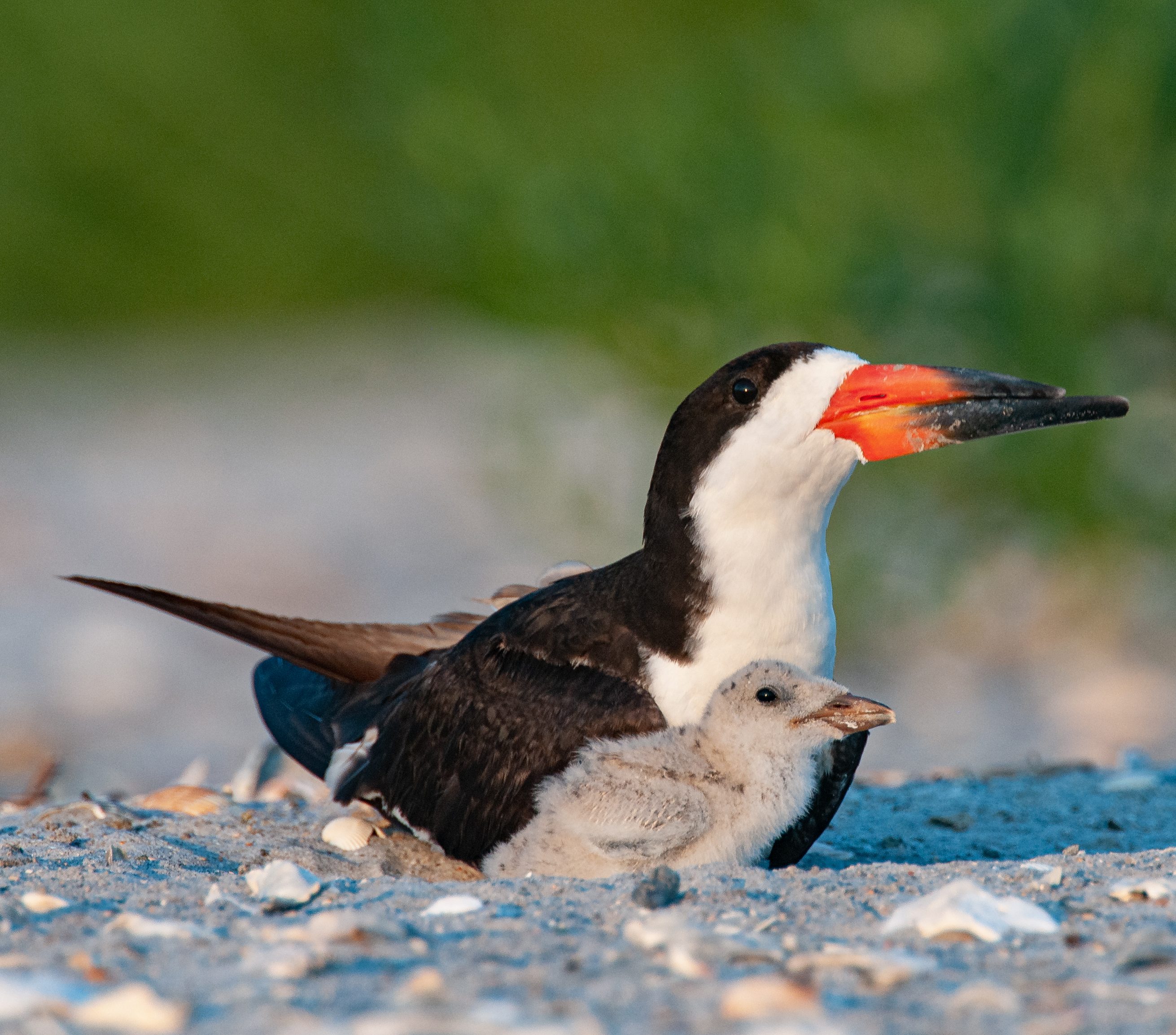
Photo: Walker Golder / Audubon
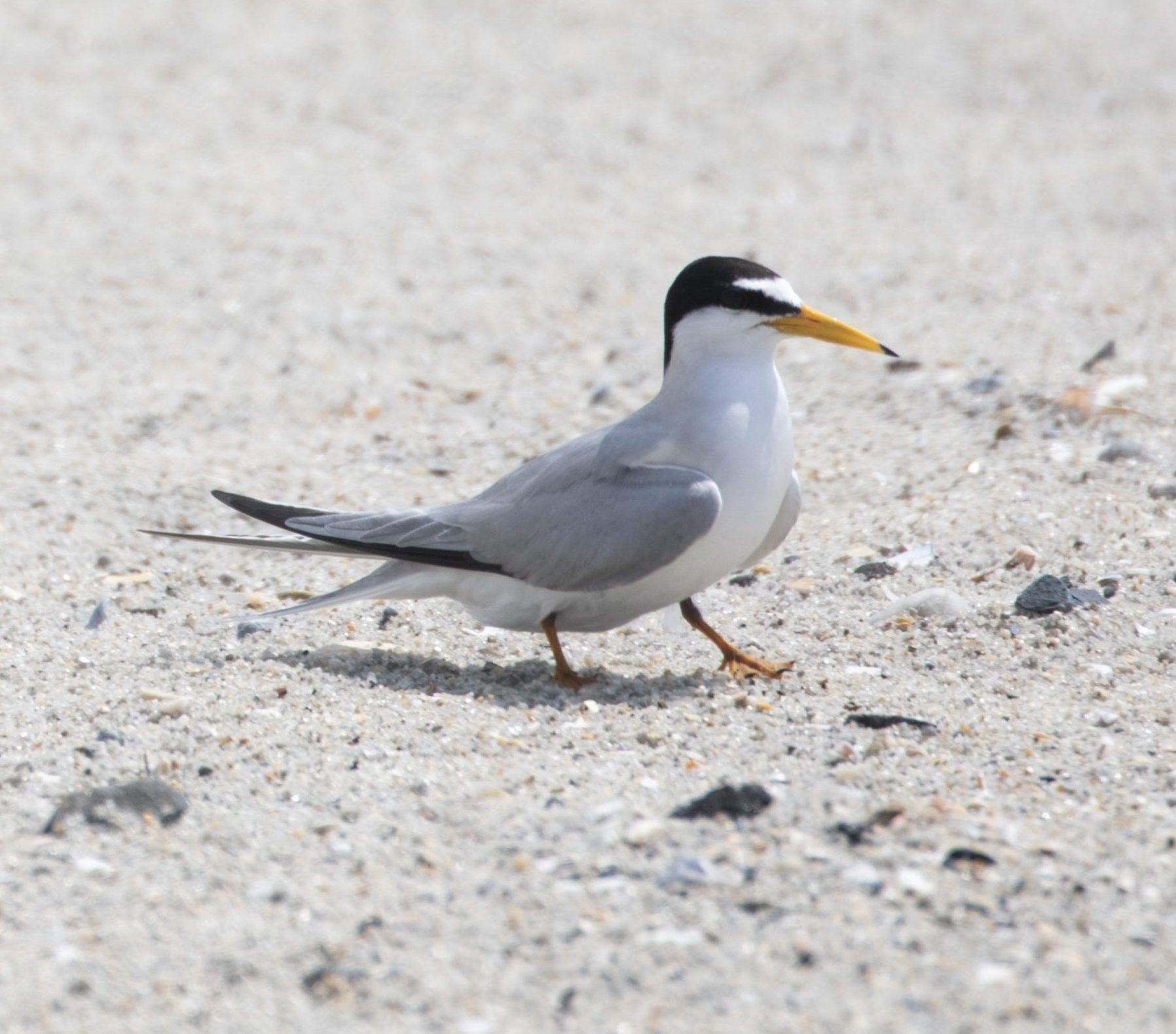
Photo: Luke Franke / Audubon

Photo: Evan Barrientos / Audubon
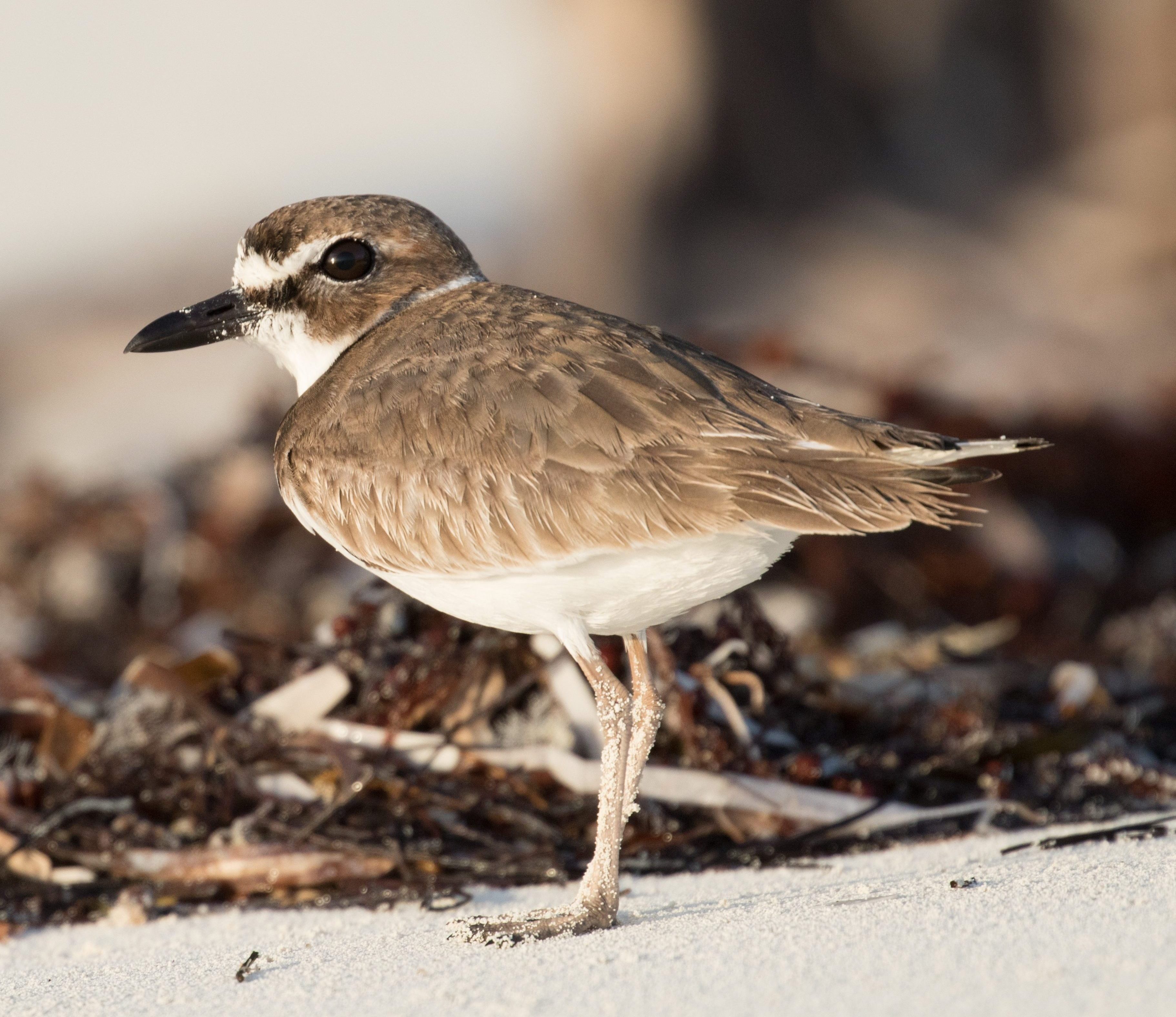
Photo: Camilla Cerea / Audubon
What is Stewardship?
Human disturbance is considered one of the greatest threats to coastal birds on the Gulf Coast and beyond. This can include activities such as recreational beachgoing, fishing, drones, construction, dog-walking, and beach driving that overlap with places that coastal birds forage, nest, and rest. These disturbances can cause birds to expend more energy on avoidance than on feeding, resting, or caring for chicks. They also can be a mortal danger to adults, chicks, and eggs.
Stewardship is one way to help birds and people can safely share the shore together. Some examples include marking nesting areas with fences or signs so people can give them space, having stewards walk the beach to let people know the birds are nesting there, and hosting educational outreach campaigns.
Some ways you can help share the shore with your local coastal birds:
- Give flocks of birds and nesting areas plenty of space and look out for places roped off for nesting
- Only bring your dog to dog-friendly designated beaches and make sure to keep them on a leash
- Keep the beaches clean and don’t leave trash behind
To learn more, check out Audubon’s Coastal Stewardship Toolkit
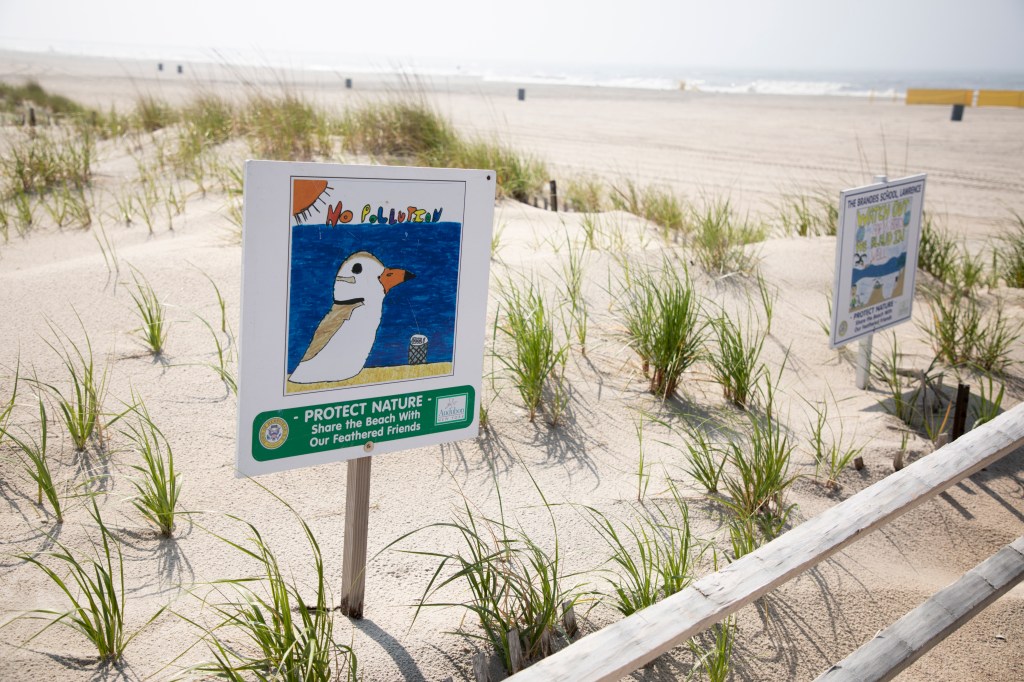
Audubon Be a Good Egg/Audubon New York. Photo: Luke Franke / Audubon
Collaborators
- Alabama Department of Conservation & Natural Resources
- Alabama Audubon
- Alachua Conservation Trust
- American Bird Conservancy
- Audubon Coasts
- Audubon Delta
- Audubon Florida
- Audubon South Carolina
- Audubon Texas
- Barataria-Terrebonne National Estuary Program
- Biodiversity Research Institute
- Bon Secour National Wildlife Refuge
- Calhoun Port Authority
- City of Orange Beach, Alabama
- Coastal Bend Bays & Estuaries Program
- Consensus Building Institute
- Dauphin Island Bird Sanctuaries
- Edward Wisner Donation Trust
- Gulf Coast Joint Venture
- Gulf State Park, Alabama
- Houston Audubon
- Illinois Natural History Survey, University of Illinois Urbana-Champaign
- Louisiana Tech University
- National Audubon Society
- National Oceanographic & Atmospheric Administration (NOAA) RESTORE Science Program
- Texas A&M University
- Tulane University
- University of Houston
- University of Maryland
- University of North Texas
- U.S. Fish & Wildlife Service (USFWS)
- U.S. Fish & Wildlife Service (USFWS) Migratory Birds
- U.S. Geological Survey (USGS)
- Virginia Tech

Proudly powered by WordPress